Table Of Content
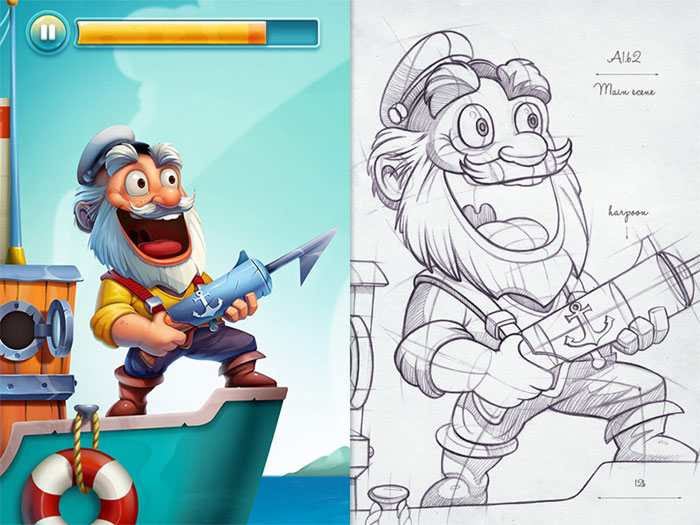
Principles such as color theory, shape language, and even general psychology all help an artist create an effective character design. In the early stages of character design, the process kicks off with initial sketching, a pivotal step in character concept art and the practical aspects of how to draw characters effectively. Beginning with rough sketches allows creators to explore diverse visual ideas for the character, with a primary focus on basic shapes and proportions.
Person Asked “Show Me The Worst Character Designs You've Ever Seen”, And Here Are 39 Of Them - Bored Panda
Person Asked “Show Me The Worst Character Designs You've Ever Seen”, And Here Are 39 Of Them.
Posted: Fri, 05 Apr 2024 07:00:00 GMT [source]
First Step: Break the drawing down into basic shapes and lines.
Axis Studios' Head of Characters on What Makes a Character Good - 80.lv
Axis Studios' Head of Characters on What Makes a Character Good.
Posted: Thu, 30 Nov 2023 08:00:00 GMT [source]
Established in 2011, CG Spectrum is a global top-ranked training provider offering specialized programs in real-time 3D, game development, animation, VFX, digital painting, and visualization. CG Spectrum inspires and trains creators through a unique online learning model and personalized mentorship from industry professionals. CG Spectrum is an Unreal Authorized Training Center, Unreal Academic Partner, SideFX Certified Training Provider, and Toon Boom Authorized Training Center delivering programs worldwide. Because character design is static, animators can breathe additional life into a character by producing their motions, gestures, and expressions. There are many ways to succeed in everything, but here are a few steps a designer can take when starting to sketch their character. There is a case to be made that the tools you use are not all that important.
Step 6: Choose a color palette
In this case, we can enjoy an impressive character design in 3D with a pretty simple structure. Ultimately, that’s a question they would like to answer – but it requires multiple parts. It would be better to discuss the key elements that are critical to the development of the final piece. Whether you’re working on 2D or 3D character art, always start with the basics. If we’re talking about the difference between good character design and bad character design, there’s no better place to start than the fundamentals.
Understanding the Basics of Character Design
If you're planning for your character design to exist within comics and animations, then developing its back story is important. Where it comes from, how it came to exist and any life-changing events it has experienced are going to help back up the solidity of, and subsequent belief in, your character. Sometimes the telling of a character's back story can be more interesting than the character's present adventures. In the Character Design Crash Course workshop at Pictoplasma 2019, Jurevicius and Rilla Alexander asked attendees to sketch their character in poses held by other attendees, life drawing style. As well as knowing when to exaggerate, Ørum is also keen to highlight the importance of simplicity.
What's the difference between concept art and illustration?
This may also give you a better sense of movement, how characters work set against different backdrops, and genre conventions. To cultivate the images inside your own head, what better way than to read? Anything from dense-nonfiction about the flora and fauna of Madagascar, to science fiction, fantasy novels, or graphic novels can spark your imagination. Reading widely and extensively will also help you understand what makes storytelling successful and get you thinking about how you can transfer that to illustration. You can’t custom design a character for every type of reader, but asking yourself these questions is a great way to start a thought process that will help inform your design. This can ultimately have a great impact on your ideal reader’s ability to interpret, resonate, and enjoy your work.
Don't lose sight of the original idea
Ideally, the whole world will enjoy your work, but realistically, your audience will be more narrow, so creating a hypothetical ideal audience member can help you make better design choices. Put yourself in your audience’s shoes and consider what other references they have before coming to your work and what they expect to see in the type of story you’re trying to convey. Great character design is rarely just about the physical traits. Your character might look amazing and make an incredible first impression. However, it’s their personality that will ultimately win your audience and make them stay.
Employ consistent shape language

However, they don’t create the same character over and over again. They might have to make an alien mantis-like creature or a character that resembles a certain culture. Reference and research are crucial to finding out how a mantis insect behaves or what elements of said culture stand out. The color palette selected should harmonize with the character's personality, reflecting traits and emotions. It should also resonate with the character's background, providing visual cues to their story and experiences. Additionally, the overall tone of the narrative plays a crucial role in guiding color choices, ensuring that the character seamlessly integrates into the broader storytelling context.
Character Design Process Examples
Strictly Necessary Cookie should be enabled at all times so that we can save your preferences for cookie settings. A hero needs a villain or nemesis to add conflict to a story and spice it up. The villain could be a complex character with superpowers or simply a bully. And this piggy butcher comes with a plot twist, ready to chop some humans in an alternative universe.
Character Traits
As for the resources, they are collections of images, separated into different themes. This includes nude and non-nude figure references, in addition to costuming. Also of interest is the statue maquettes and materials section that houses everything from armor to weapons, to creatures. Visually, these aren’t the most stunning-looking character illustrations, but they are quite flexible and fun to mess with.
The eyes, nose, mouth, and expressions should align with their story and role in the narrative. Creating characters is a multi-faceted process that involves careful consideration of their traits, personality, appearance, and role within a narrative. Here are 6 crucial steps to guide you through the process of how to draw a character.
This is another reason why these 3 fundamentals are so important to focus on. When designing your characters it is helpful to understand some of the key differences between male and female proportions and shape language. So go find a local gallery and go check out the works they have on display! Pay attention to the different styles, textures, and colours other artists are using, and start thinking about what techniques you can incorporate into your own designs.
On one hand, you need to see what makes the eagle distinctive from other similar birds. Pay attention to the shape of the beak, the head and body ratio, and other details you could exaggerate later to make your character undeniably an eagle. The face is the window to a character's emotions and personality. Design the character's facial features based on their traits and background.
Testing in various contexts is akin to checking the character's adaptability, confirming that their visual elements harmonize seamlessly with different aspects of the story. Engaging with existing characters, whether from literature, movies, or other media, offers valuable insights into successful design elements. Analyzing what works well in established characters can inspire fresh ideas and guide creators in avoiding clichés. Understanding these fundamentals empowers creators to breathe life into their characters, making them not just visually appealing but integral to the narrative.



No comments:
Post a Comment