Table Of Content
Some small, limited studies have found that certain supplements and shampoos could be helpful, dermatologists say. However, your best bet if you’re suffering from hair loss is to see a board-certified dermatologist who can determine what’s causing your alopecia and then recommend a treatment plan. If you often wear a hairstyle like braids or a tight bun that puts prolonged strain or stress on the hair follicle, that can cause a type of permanent hair loss called traction alopecia. It’s usually genetic, but it can also be triggered by diseases or disorders that attack the hair follicles.
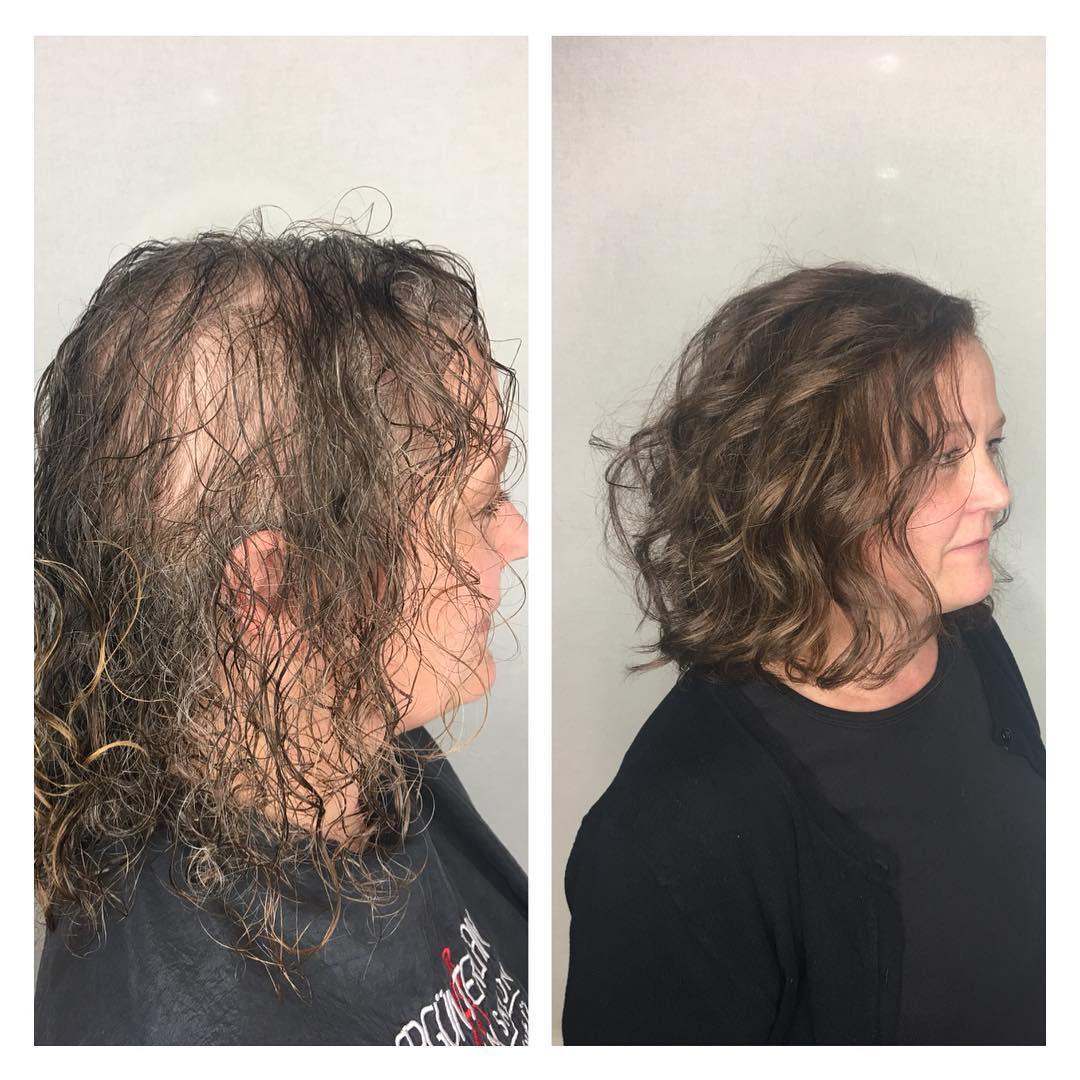
You Start To See More Of Your Scalp
But some factors may make a woman more likely to experience hair loss. Alopecia means “hair loss.” There are many different types of alopecia, in addition to androgenetic alopecia. Androgenetic alopecia can occur at any age after puberty, but it’s most common in postmenopausal women. Advancing age and a family history of the condition are two of the primary risk factors.
Harvard Health Publishing
Does rosemary oil for hair growth really work? We asked 3 dermatologists to find out - CNN Underscored
Does rosemary oil for hair growth really work? We asked 3 dermatologists to find out.
Posted: Thu, 11 Jan 2024 08:00:00 GMT [source]
Regularly coloring your hair or getting chemical hair treatments can damage your hair, and potentially lead to an increase in hair breakage. These treatments don’t usually affect your hair root, and your hair will likely grow back once you stop treatment. But when they produce too much, it can lead to symptoms like disrupted menstrual cycles, acne, and hair thinning. Polycystic ovary syndrome is a common female health issue that leads to excess levels of androgen, or male sex hormones. Pattern hair loss usually starts in adulthood, but can also start during your teenage years. It’s not uncommon for teenagers to experience this form of hair loss, but its prevalence is currently not known.
If you have alopecia, can your hair grow back?
One particular type of hair loss—traction alopecia—is caused by chronic stress on the hair follicle, often due to too-tight hair styles, and it’s especially common among black women. But if you can treat traction alopecia early on, you can adjust your habits and keep the condition from worsening; in fact, you can prevent hair loss from becoming permanent. While hair thinning might not always lead to visible baldness, it can still significantly impact the overall look and feel of the hair.
How to Treat and Regrow Thinning Hair
Platelets may help stimulate hair growth thanks to the growth factors they contain, Dr. Khetarpal says. But so far scientific evidence supporting PRP for this use has been mixed. However, laboratory testing didn’t find any significant difference between the results of those receiving PRP and those who got the placebo treatment. You’re born with about 100,000 follicles on your scalp, and you’ll never gain or lose any, the AAD says. However, as you age, some follicles may stop growing hair and you may experience hair loss (also called anagen effluvium). Regrowth continues for over a year, after which time it stabilizes.
“Certain chemicals found in shampoos, conditioners, hair dyes, and styling products can strip the hair of its natural oils, leading to dryness, breakage, and hair loss. "Typically, we would want the patient to focus shampoo on the scalp, massage into the scalp, and avoid it on the hair follicle [or strand]," she says. "You don't want to get very much onto the hair follicle because it can cause breakage and dryness." However, when it comes time to condition, the opposite is true. Puberty causes fluctuations in hormone levels that can potentially affect hair growth. Pattern hair loss can start immediately after puberty and progress over time. Pattern hair loss is the most common cause of hair loss for men and women.

CCCA and LPP fall under the umbrella of lymphocytic scarring alopecia. The telltale signs of these conditions are chronic inflammation of the scalp and the scarring of hair follicles, which can result in irreversible hair loss, Agbai notes. Treat your hair carefully to prevent breakage—don't brush too much or too harshly, and avoid styling with heat too often.
Once it starts, the shedding could be over in a few weeks—or it could last the whole summer. "It's hair you would have lost anyway, but you're just losing it a little faster than you normally would have," he explains. If your hair doesn't respond to minoxidil, a dermatologist might prescribe spironolactone or finasteride, drugs that block androgen receptors. But these aren't officially approved for use in women, and you shouldn't use them if you might become pregnant.
A Visible Scalp
There are many reasons why teenagers may experience hair loss. Genetic hair loss can start after puberty and lead to a pattern of hair loss. Alopecia areata is a common autoimmune condition that can onset in childhood or as a teenager. Finally, if you’re applying hair growth serum in the evening, consider your skin type—since certain ingredients, such as oils, can potentially rub off onto your pillow and be transferred to skin. “For sensitive or acne-prone skin, either frequent pillowcase changes or wearing a hair bonnet after serum application may be helpful,” she says.
If it is low, or even the lower end of average, iron supplements may help, says trichologist Philip Kingsley, and could show results within months. The hair follicles are attacked by the body’s own immune system, fast forwarding the hair to its shedding phase. Treatment can include corticosteroids, both topical and oral, and as injections and immunosuppressive drugs.

Look for thickening shampoos and treatments that include biotin, hydrolyzed wheat or rice proteins, and kaolin clay, says Ellsworth. The skin’s barrier (the outermost layer) forms tiny cracks when it’s dry, which allows irritants to get into it and cause inflammation. “Plus, if you’re experiencing thinning then your scalp is more exposed to environmental aggressors (such as UV rays) and harsh ingredients. Minimize the use of high-heat styling tools, hair extensions and harsh treatments like perms. Avoid hairstyles like tight buns and braids that pull on your scalp, potentially causing traction alopecia. These treatments that emit red- or near-infrared light are believed to stimulate hair follicles to help hair grow, with a lower risk of side effects compared to topical creams and oral medications.
Some options are OLLY Heavenly Hair Gummies and HUM Hair Strong Gummies. “Although stress by itself does not directly cause hair loss, it can contribute to other hair loss conditions such as telogen effluvium,” Dr Shah explained. During telogen effluvium, more hair than usual falls out, leading to thinning of the hair, but it's typically reversible once the underlying cause is addressed. "If the hair shedding isn't recovering by itself, then seeking the care of a primary care doctor or board-certified dermatologist is really important," says Dr. Farah. Try to find out everything you can about hair loss and the treatment options available to you.
Hair grows on almost all of your skin surfaces — not the palms of your hands, soles of your feet, lips or eyelids. Hair loss can occur if you wear pigtails, braids or cornrows, or use tight hair rollers. What you eat is only the first piece of the nutrition/hair puzzle. In chronic cases, shedding may continue, but a person will usually retain a reasonable head of hair. Omega-6, on the other hand, is important for overall skin health, which might benefit the scalp.
Factors like age, diet, genetics and overall health determine how fast it grows and its health. But consult your doctor before you start to worry; thinning hair is often reversible, Dr. Simpson says. SELF does not provide medical advice, diagnosis, or treatment.



No comments:
Post a Comment